

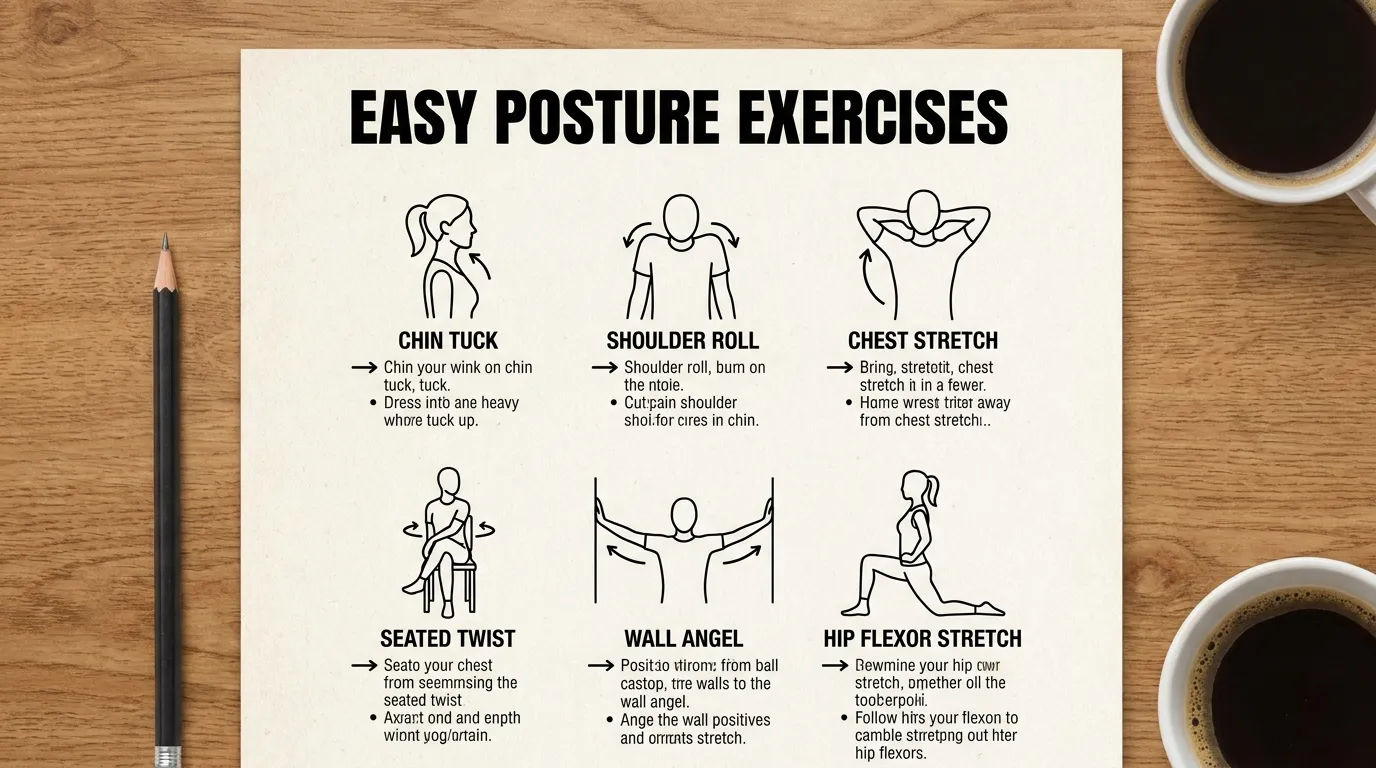
Poor spinal alignment plagues millions of individuals worldwide, triggering chronic tension, joint stiffness, and persistent physical fatigue. Fortunately, integrating easy printable posture exercises into your daily routine restores natural skeletal alignment, builds resilient core stability, and enhances overall flexibility without requiring expensive gym memberships or complicated fitness equipment.
This comprehensive guide explores advanced strategies for improving musculoskeletal health through targeted movements, ergonomic adjustments, and lifestyle modifications. You will discover practical routines, expert tips, common mistakes to avoid, and structured visual guides designed to alleviate discomfort, elevate mobility, and promote long-term spinal wellness.
Understanding the Mechanics of Modern Posture and Alignment
Modern lifestyles heavily promote sedentary habits, desk-bound work environments, and excessive screen time. These daily routines actively compromise our structural integrity. When individuals hunch over keyboards or stare down at smartphones for hours, the cervical spine shifts forward. This forward head posture dramatically increases the effective weight load experienced by supporting neck muscles and thoracic vertebrae. Understanding how structural imbalances develop provides the necessary motivation to adopt corrective movement habits.
Musculoskeletal health relies on a delicate balance between stabilizing deep core muscles and maintaining joint mobility. When certain muscle groups remain chronically shortened—such as the hip flexors and chest muscles—antagonist muscles like the upper back and glutes become stretched and weak. This muscular imbalance creates a postural distortion pattern. Reversing this cycle requires targeted stretching and strengthening regimens that re-educate the nervous system and restore optimal joint kinematics.
Beyond physical discomfort, poor alignment influences systemic energy levels, breathing efficiency, and psychological well-being. Slumping restricts thoracic expansion, limiting oxygen intake and inducing physical fatigue. By committing to regular structural re-alignment practices, individuals unlock greater physical vitality. Consistently practicing intentional movement patterns relieves unwarranted pressure on intervertebral discs and surrounding soft tissues.
Essential Foundational Movements for Spinal Health
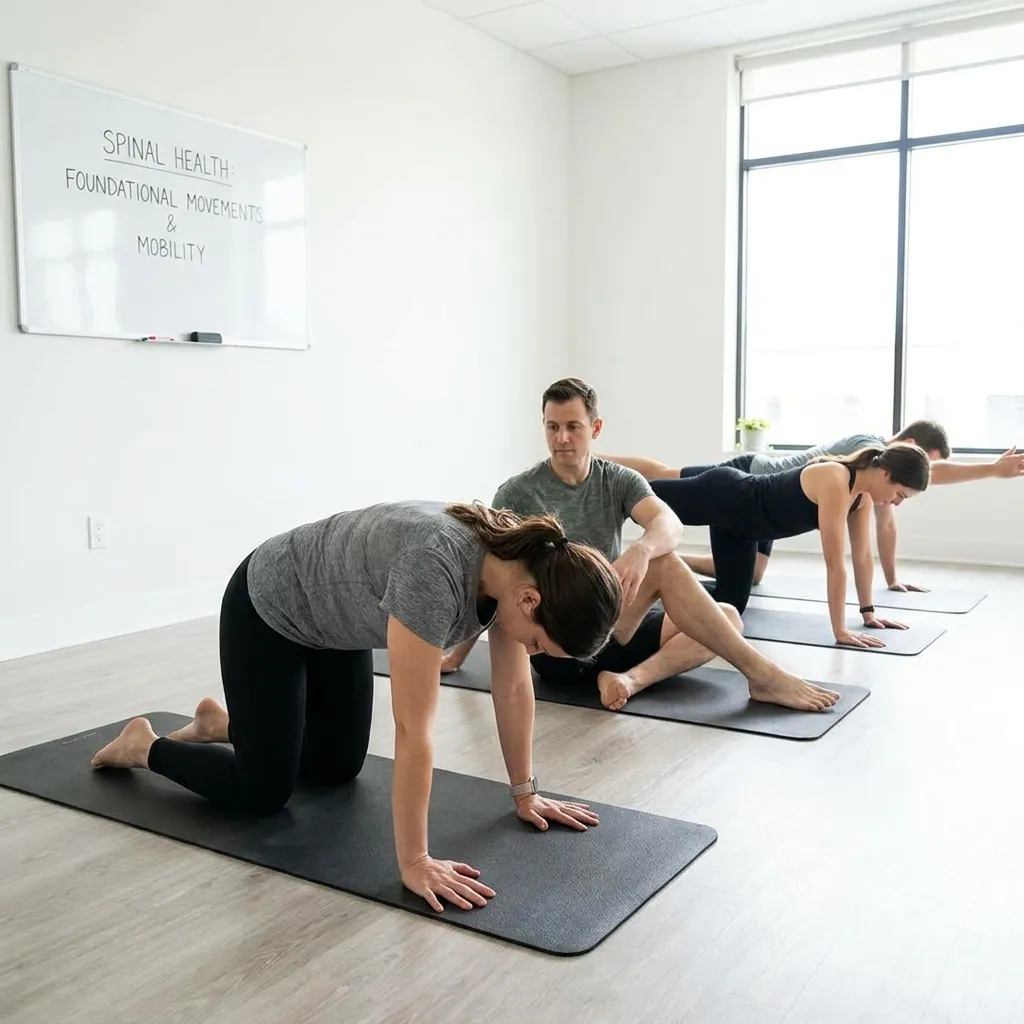
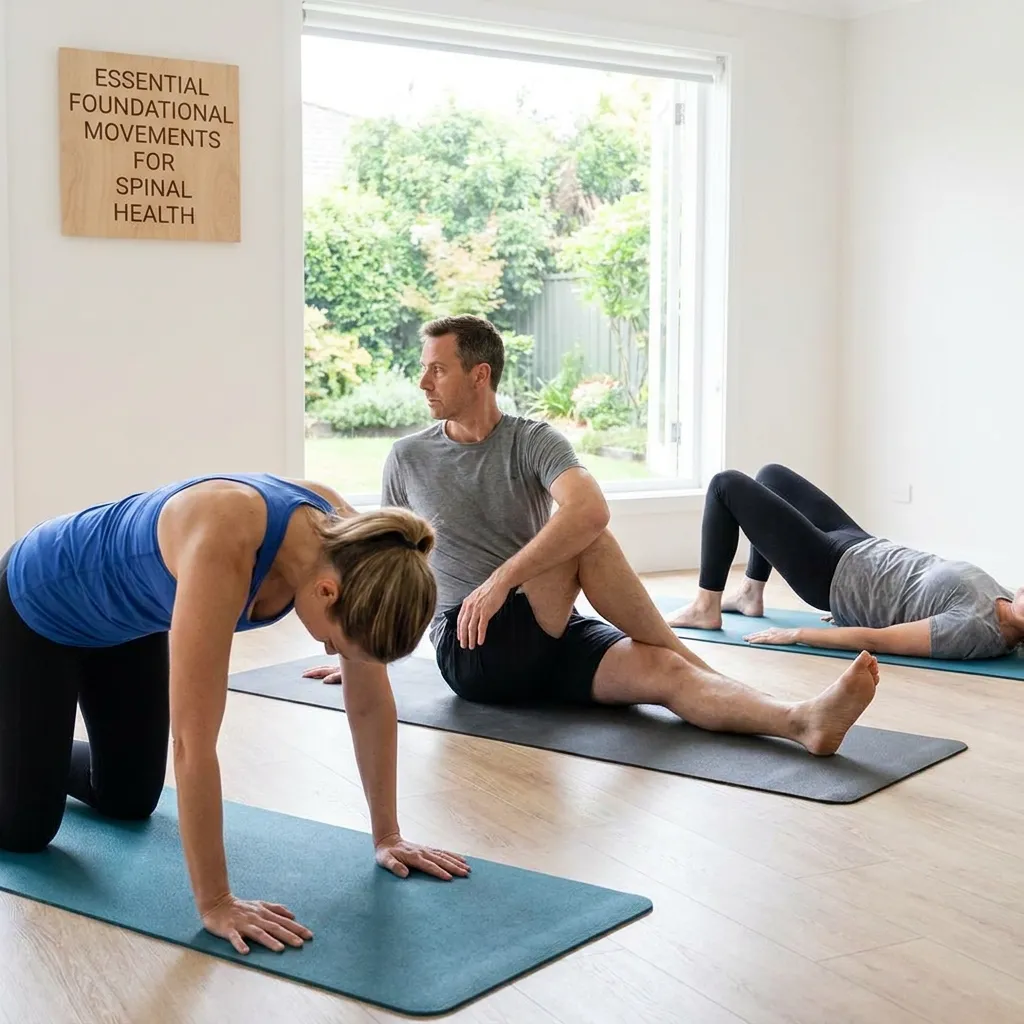
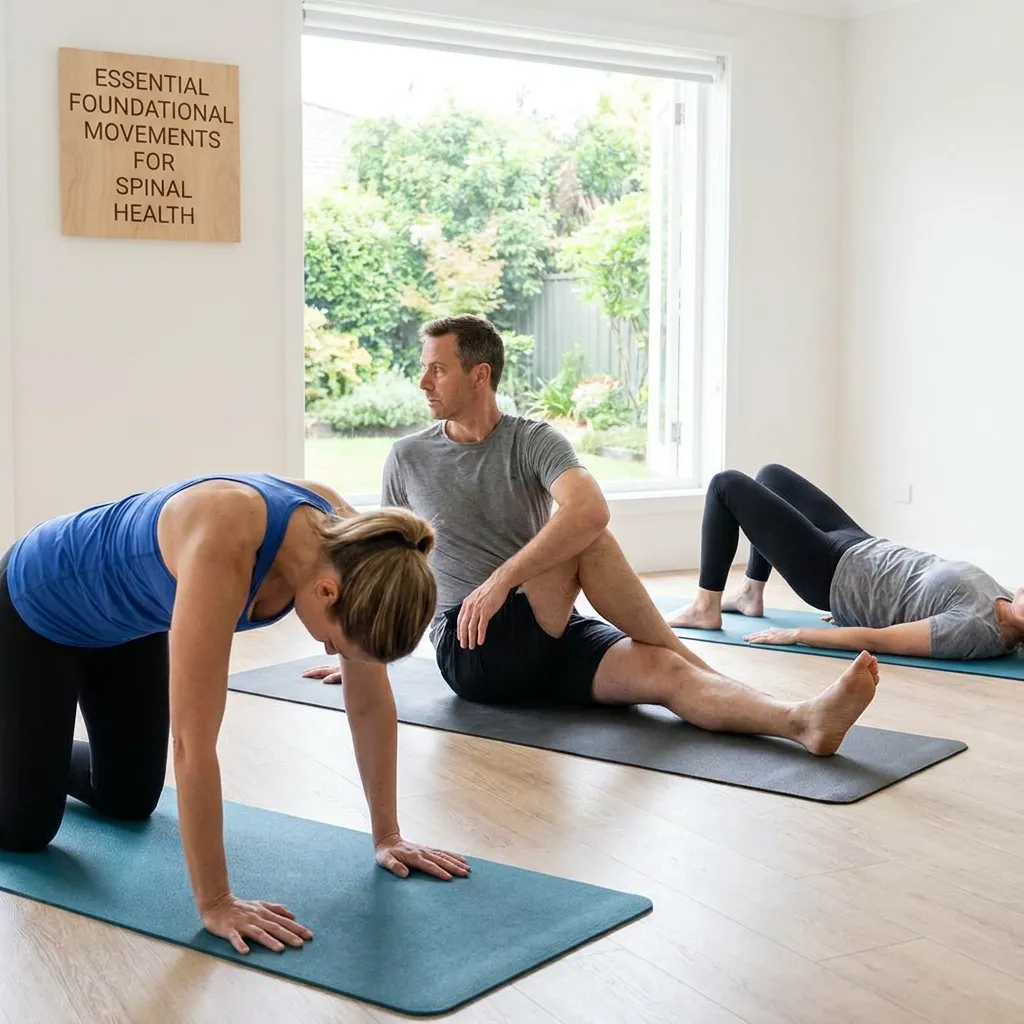
Building a resilient posture starts with mastering foundational movements that target the core stabilizers, thoracic spine, and shoulder girdle. Incorporating these foundational elements into a structured routine establishes a solid base for advanced mobility work. Every practitioner must prioritize controlled execution over speed, ensuring that each repetition actively engages the intended target muscle groups.
Thoracic mobility serves as a primary pillar for upper body alignment. The mid-back naturally tends toward stiffness due to prolonged sitting. Performing targeted thoracic extensions and rotations releases tension locked within the ribcage. When the mid-back moves freely, the cervical and lumbar regions experience significantly less compensatory stress, reducing overall discomfort during long work hours.
Lower body alignment also plays a vital role in upper body posture. Pelvic tilt control anchors the entire spinal column. Weak glutes and tight hip flexors often combine to create an anterior pelvic tilt, which exaggerates the lower back curve and compresses lumbar vertebrae. Restoring neutral pelvic alignment through gentle stabilizing drills creates a sturdy foundation that supports the entire torso effortlessly.
-
Engage transverse abdominis muscles gently during every movement to protect the lower back.
-
Prioritize slow, deliberate breathing patterns to encourage neuromuscular relaxation and deeper tissue release.
-
Perform movements on a supportive surface using a yoga mat for optimal joint cushioning and stability.
Designing Your Personalized Routine at Home
Consistency triumphs over intensity when transforming posture habits. Creating a sustainable home routine involves selecting movements that seamlessly fit into daily schedules. Utilizing a physical checklist or visual aid helps maintain momentum and ensures proper technique adherence throughout each session.
Structuring a daily session requires a logical progression from mobility warm-ups to strengthening activations and concluding stretches. Beginning with gentle mobilization lubricates the joints and prepares soft tissues for loaded or resistance-based holds. Transitioning into isometric holds activates postural endurance fibers, teaching muscles to sustain upright alignment automatically without conscious, exhausting effort.
Adapting these routines for various environments ensures long-term success. Whether at an office desk or in a living room, short movement snacks break up prolonged sitting cycles. Committing just ten minutes daily yields profound cumulative benefits for spinal health, energy regulation, and joint longevity, making structural maintenance an effortless lifestyle habit.
-
Schedule specific trigger moments, such as morning coffee breaks or mid-afternoon pauses, for routine execution.
-
Track weekly progress by noting changes in daily discomfort levels and overall perceived physical lightness.
-
Modify intensity levels dynamically based on daily recovery status and personal physical feedback.
Step-by-Step Guide to Effective Postural Routines
Implementing structured routines demands clear, actionable instructions. Each movement in this section targets specific postural deviations commonly caused by modern sedentary behaviors. Follow these detailed steps carefully to maximize safety and efficacy during every practice session.
The first key movement focuses on opening the anterior chest wall and strengthening retracted scapular retractors. Stand tall with feet hip-width apart, draw the shoulder blades down and back, and rotate your palms outward. Hold this isometric contraction for thirty seconds while breathing deeply into the upper chest. This movement counters the typical forward-rounded shoulder posture associated with desk work.
The second essential movement addresses lower spine stability through gentle bridging. Lie flat on your back with knees bent and feet flat on the floor. Engage your core, press through your heels, and lift your hips toward the ceiling until your body forms a straight line from shoulders to knees. Squeeze your glutes at the top for three seconds before lowering slowly. This exercise reactivates dormant gluteal muscles and stabilizes the pelvis.
The third movement targets mid-back rotational stiffness through a side-lying thoracic opening drill. Lie on your side with knees stacked at a ninety-degree angle. Extend both arms forward, then open your top arm in a sweeping arc across your body, following your hand with your gaze until it rests on the floor opposite you. Return to the starting position and repeat for ten smooth repetitions per side.
Common Mistakes to Avoid During Posture Training
Avoiding pitfalls accelerates physical progress and prevents unnecessary injury. Many individuals rush through postural corrections, relying on momentum rather than intentional muscular control. Slowing down execution speeds guarantees optimal fiber recruitment and joint protection.
Another frequent error involves over-correcting by forcing the spine into unnatural, rigid positions. True postural alignment feels strong yet balanced, never stiff or painful. Forcing the shoulders too far back or hyperextending the lower back creates secondary muscular spasms and joint compression.
Neglecting breath control represents a third major stumbling block. Holding your breath during isometric holds spikes blood pressure and increases muscular tension. Maintaining fluid, diaphragmatic breathing throughout every movement enhances tissue oxygenation and promotes deep neuromuscular relaxation.
-
Avoid locking your knees or elbows completely during standing posture drills to maintain active joint shock absorption.
-
Never push through sharp or shooting pain; mild muscular fatigue is normal, but joint pain signals incorrect form.
-
Do not neglect consistency in favor of sporadic, overly intense sessions that lead to burnout and soreness.
Expert Tips for Maximizing Long-Term Results
Integrating expert strategies elevates standard routines into transformative wellness habits. Elite physical therapists emphasize the importance of ergonomic integration alongside physical exercise. Aligning your workspace workstation complements physical training by preventing continuous micro-traumas throughout the workday.
Hydration also plays a critical, often-overlooked role in spinal disc health. Intervertebral discs rely on fluid exchange to maintain shock-absorbing elasticity. Consuming adequate water throughout the day ensures these cushions remain hydrated, resilient, and capable of supporting optimal spinal alignment under gravitational load.
Finally, mindful awareness serves as the ultimate diagnostic tool. Regularly scanning your body for tension hotspots—such as elevated shoulders, clenched jaws, or a jutting chin—allows you to correct misalignments instantly before chronic patterns solidify into permanent structural habits.
Physical exercises provide the foundation for great alignment, but workplace ergonomics dictates whether those gains survive an eight-hour shift. Poor desk configurations continuously sabotage physical progress, forcing muscles back into habitual strain patterns. Optimizing your chair height, monitor placement, and keyboard distance ensures that your physical training efforts are reinforced rather than undone during work hours.
An ergonomic workspace promotes neutral spine positioning naturally. Your computer screen should sit directly at eye level to prevent the neck from tilting downward or upward for extended periods. Additionally, feet must rest flat on the floor with knees positioned at a comfortable ninety-degree angle, eliminating pelvic twists and distributing upper body weight evenly across your seat.
Incorporating Active Recovery and Stretching Habits
Recovery days and targeted stretching sessions are just as critical as active strengthening workouts. When postural muscles engage to hold the spine upright, they accumulate micro-fatigue and metabolic waste products. Incorporating dedicated recovery habits ensures that tight tissues lengthen properly and remain supple over time.
Gentle nightly stretching routines release the cumulative tension gathered throughout a demanding day. Focusing on the hip flexors, chest openers, and hamstring stretches prevents the skeletal system from being pulled out of neutral alignment overnight. Consistency in stretching builds long-term tissue elasticity and prevents sudden bouts of acute muscular stiffness.
Evaluating Progress and Maintaining Lifelong Alignment
Tracking your structural evolution ensures continuous motivation and long-term musculoskeletal health. Visual progress checks, such as side-profile posture photographs taken every month, provide objective data regarding ear-to-shoulder alignment and pelvic positioning. Celebrating these small anatomical victories reinforces positive behavioral changes.
Maintaining alignment is a lifelong journey rather than a temporary fix. As daily routines evolve, remaining mindful of physical feedback allows you to adapt your exercise regimens dynamically. By treating posture maintenance as an essential component of personal wellness, you secure decades of vitality, comfort, and structural freedom.
Conclusion
Achieving optimal spinal alignment and flexibility is entirely within reach through dedicated daily practice. By incorporating easy printable posture exercises into your schedule, you invest in long-term vitality and comfort. Begin your transformation today, embrace consistent movement habits, and experience the profound benefits of a balanced, aligned body. Take the first step toward lasting wellness by downloading your routine checklist now!
Frequently Asked Questions
What are easy printable posture exercises?
Easy printable posture exercises are structured physical movements and stretches formatted into downloadable, physical checklists or guides designed to help individuals improve spinal alignment, relieve muscle tension, and enhance joint flexibility conveniently at home.
How often should I practice posture exercises?
Consistency matters more than duration. Practicing these movements for ten to fifteen minutes daily yields faster and more sustainable improvements in alignment and muscular endurance than sporadic, lengthy weekly sessions.
Can posture exercises help relieve lower back pain?
Yes. Many posture routines target weak glutes, tight hip flexors, and core imbalances, which are primary root causes of chronic lower back discomfort and spinal compression.
Do I need any special equipment for these routines?
No special equipment is required. Most routines rely entirely on bodyweight, though a comfortable yoga mat can provide helpful cushioning for floor-based movements and stretches.
How long before I notice visible posture improvements?
Most individuals experience a noticeable reduction in daily muscle tension within two weeks of consistent daily practice, while structural postural improvements typically become visible within four to six weeks.
Are these exercises safe for older adults?
Yes, these movements are generally low-impact and gentle. However, individuals with pre-existing spinal injuries or severe medical conditions should consult a healthcare provider or physical therapist before starting.
What is forward head posture, and can these exercises fix it?
Forward head posture occurs when the head shifts ahead of the shoulders’ vertical center of gravity. Targeted upper back strengthening and cervical alignment drills effectively counteract and correct this deviation over time.
Why is thoracic mobility important for posture?
The thoracic spine forms the mid-back region. When this area becomes stiff from sitting, the neck and lower back compensate excessively, leading to pain and poor overall alignment.
Can I do these exercises at an office desk?
Many upper body mobility and isometric holding drills can be adapted for seated office environments, making them ideal movement breaks during long work hours.
How does breathing affect posture during exercise?
Controlled diaphragmatic breathing prevents unwanted muscle tension, supplies working tissues with vital oxygen, and engages deep core stabilizers needed to maintain proper spinal alignment.
