

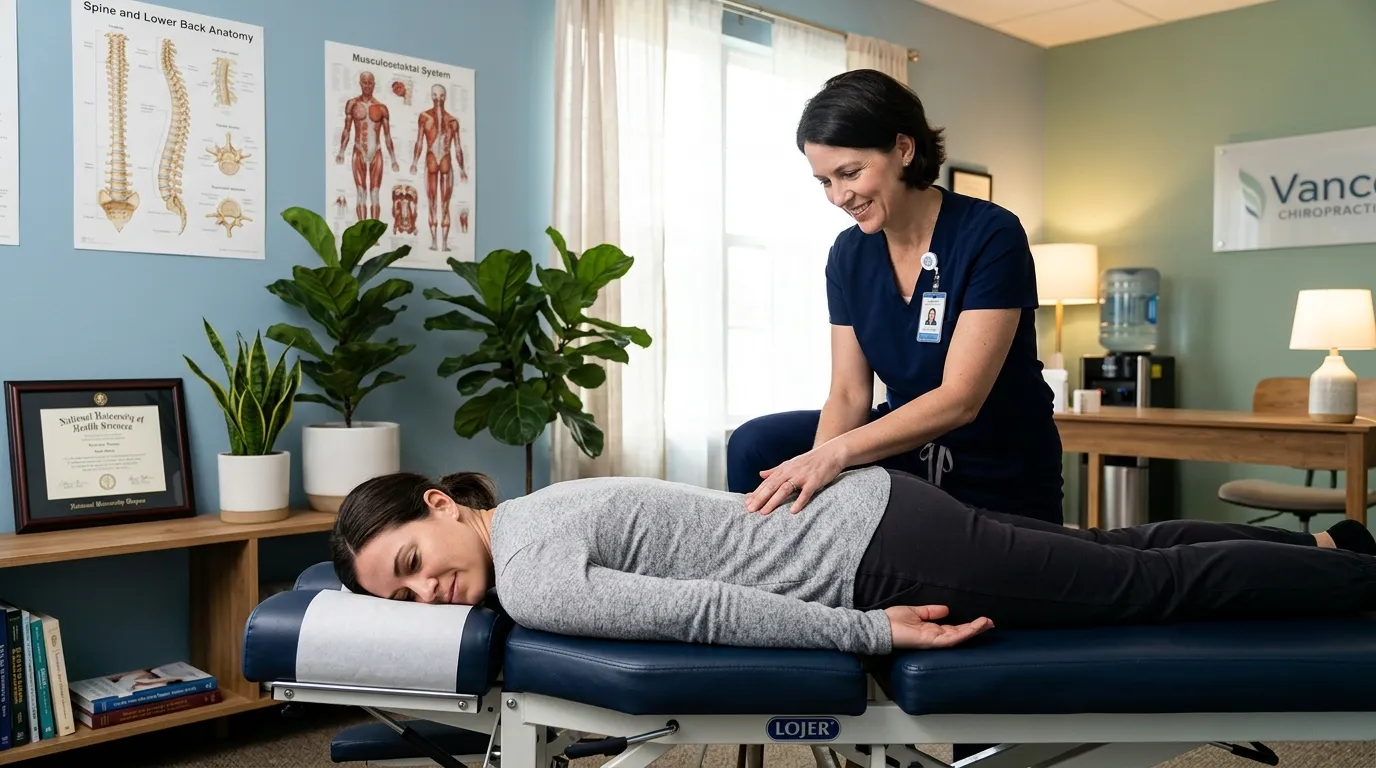
Struggling with constant discomfort can make simple daily tasks feel impossible. Finding the Best Chiropractor for Lower Back Pain is crucial for reclaiming your mobility and comfort. We will explore proven treatments, lasting benefits, and practical strategies to help you finally achieve effective, natural relief.
This comprehensive guide breaks down exactly what you need to know when seeking optimal spinal health solutions. You will learn about the most effective chiropractic techniques, the powerful benefits of non-invasive care, and expert tips to speed up your recovery. Avoid common pitfalls and discover actionable advice that empowers you to take full control of your healing journey.
Understanding the Root Causes of Your Discomfort
Before exploring specific treatments, you must understand why your spine hurts in the first place. The lumbar spine carries the majority of your body weight. This constant pressure makes it highly susceptible to injury, strain, and wear over time. Poor posture, sedentary habits, heavy lifting, and sudden awkward movements can all pull your spinal column out of alignment.
When vertebrae shift out of their normal position, they place severe pressure on surrounding nerves. This pressure triggers inflammation, muscle spasms, and sharp, radiating discomfort. To fix this, you need a practitioner who addresses the underlying mechanical failure rather than just masking the symptoms with medication. A skilled practitioner evaluates your entire musculoskeletal system to pinpoint the exact origin of your distress.
Top Treatments Offered by the Best Chiropractor for Lower Back Pain
When you visit a high-quality clinic, the practitioner will not use a one-size-fits-all approach. Instead, they will utilize a variety of specialized techniques designed to address your specific condition.
Spinal Manipulation and Adjustments
Spinal manipulation remains the cornerstone of chiropractic care. During this procedure, the practitioner applies controlled, sudden force to a specific joint. This action improves structural alignment and physical function. By restoring normal movement to restricted joints, spinal manipulation reduces nerve irritability and decreases inflammation. You will often feel an immediate sense of relief and increased mobility following a precise adjustment.
The Flexion-Distraction Technique
Flexion-distraction is a gentle, non-thrusting technique highly effective for treating lumbar disc injuries. You lie on a specialized table that stretches your spine while the practitioner manually isolates and treats the affected area. This motion creates a negative pressure inside your spinal discs, which helps pull bulging or herniated disc material back into place. It also widens the spinal canal, relieving pressure on pinched nerves and promoting the flow of healing nutrients into the disc space.
Non-Surgical Spinal Decompression
For patients suffering from severe sciatica or chronic disc degeneration, spinal decompression offers incredible results. This treatment uses motorized traction to gently stretch the spine. The stretching changes the force and position of the spine, removing pressure from the spinal disks. It is a highly relaxing therapy; many patients actually fall asleep during their decompression sessions. Over a series of treatments, decompression promotes optimal healing and structural repair.
Soft Tissue Therapy and Myofascial Release
Bones and joints do not move on their own; muscles and ligaments pull them. Therefore, a comprehensive treatment plan must address soft tissue dysfunction. Practitioners use various soft tissue therapies, such as trigger point therapy or instrument-assisted soft tissue mobilization, to break up scar tissue. This process relieves painful muscle spasms, improves blood flow, and restores flexibility to tense, overworked muscles in the lumbar region.
Therapeutic Exercise and Rehabilitation
A top-tier practitioner will not just treat you on the table; they will teach you how to heal yourself at home. Therapeutic exercises strengthen the core muscles that support your lumbar spine. A strong core acts as an internal corset, preventing future injuries and stabilizing your pelvis. Your provider will prescribe specific, progressive movements that target your unique weaknesses, ensuring long-term structural stability.
Key Benefits of Chiropractic Care for Lower Back Pain

Choosing natural, mechanical solutions for spinal issues provides numerous advantages over surgical or pharmaceutical interventions.
Natural and Non-Invasive Relief
The most significant benefit of this approach is its non-invasive nature. Surgery carries immense risks, including infection, nerve damage, and long recovery times. Prescription medications often lead to dependency and adverse side effects without fixing the actual problem. Chiropractic care encourages your body to heal itself naturally by restoring proper alignment and neurological function.
Improved Mobility and Range of Motion
Stiffness and restricted movement frequently accompany lumbar issues. You might find it difficult to bend over, tie your shoes, or get out of bed. By removing joint restrictions and relaxing tight muscles, adjustments rapidly restore your normal range of motion. You will find yourself moving more freely and returning to the activities you love without hesitation.
Long-Term Posture Correction
Modern work environments force us into unnatural, slouched positions for hours on end. This sustained poor posture dramatically alters the curvature of your spine. Regular visits help correct these postural imbalances. Your provider will retrain your body to maintain a neutral spine, reducing the daily mechanical stress placed on your lower back.
Better Sleep Quality
Pain drastically interferes with your ability to get a good night’s rest. Tossing and turning to find a comfortable position leaves you exhausted and hinders your body’s ability to repair cellular damage. As your spinal alignment improves and your pain diminishes, you will experience deeper, more restorative sleep.
Comparing Chiropractic Techniques for Back Pain Relief
Understanding your options helps you make informed decisions about your health. Below is a structured comparison of common techniques used to alleviate lumbar issues.
|
Technique |
Best Suited For |
Intensity Level |
Primary Mechanism |
|---|---|---|---|
|
Spinal Adjustment |
Joint stiffness, misalignments |
Moderate to High |
High-velocity, low-amplitude thrust to restore joint motion. |
|
Flexion-Distraction |
Herniated discs, sciatica |
Low to Moderate |
Gentle stretching using a specialized moving table. |
|
Spinal Decompression |
Degenerative discs, pinched nerves |
Low |
Motorized traction to create negative pressure in discs. |
|
Soft Tissue Therapy |
Muscle spasms, trigger points |
Moderate |
Manual pressure to break up scar tissue and relax muscles. |
|
Pelvic Blocking |
Pelvic misalignment, uneven leg length |
Low |
Cushioned wedges placed under the pelvis to allow gravity to correct alignment. |
Expert Tips for Maximizing Your Chiropractic Visits

To get the absolute most out of your treatment plan, you must actively participate in your recovery. Follow these expert tips to accelerate your healing.
Stay Consistent with Your Treatment Plan
Healing is a process, not a single event. Your spine did not become misaligned overnight, and it will take time to retrain your muscles and ligaments to hold their proper positions. Skipping appointments or stopping care the moment you feel slightly better often leads to a rapid relapse. Follow the schedule your practitioner recommends to achieve permanent correction.
Communicate Openly with Your Practitioner
Your provider relies on your feedback to adjust your treatment plan. Tell them exactly where you feel discomfort, what movements make it worse, and how you feel after an adjustment. Honest communication ensures you receive the safest and most effective care possible.
Hydrate Intensely After Adjustments
Manipulating joints and releasing muscle tension releases built-up toxins into your bloodstream. Drinking plenty of water after your appointment helps your body flush these toxins away. Proper hydration also keeps your spinal discs plump and capable of absorbing physical shock.
Common Mistakes to Avoid When Seeking Back Pain Relief
Many patients unknowingly sabotage their own recovery. Avoid these frequent missteps to ensure a smooth healing journey.
Delaying Treatment and Ignoring Symptoms
Ignoring a small ache often allows it to develop into a massive, chronic problem. Pain is your body’s alarm system signaling that something is mechanically wrong. Seeking help early prevents minor misalignments from causing permanent joint degeneration and severe nerve damage.
Relying Solely on Adjustments Without Lifestyle Changes
An adjustment puts your spine back into the correct position, but your daily habits dictate whether it stays there. If you leave the clinic and immediately return to slouching over a laptop or lifting heavy objects with terrible form, your pain will return. You must implement the ergonomic and lifestyle changes your provider recommends.
Depending on Heat When You Need Ice
Many people immediately apply a heating pad to a sore back. While heat feels soothing, it actually increases blood flow and can severely worsen acute inflammation. For the first 48 hours after a flare-up, use ice packs to constrict blood vessels and numb the pain. Save the heat for chronic, stiff muscles that need loosening.
Actionable Insights for Daily Lower Back Maintenance

Protecting your spine requires daily diligence. Implement these practical strategies to maintain your progress between clinic visits.
Optimize Your Workspace Ergonomics
If you sit at a desk, your chair must support the natural curve of your lumbar spine. Keep your feet flat on the floor and your computer monitor directly at eye level. This setup prevents you from hunching forward and straining your posterior muscles. Take a micro-break every thirty minutes to stand, stretch, and reset your posture.
Master the Hip Hinge
Whenever you pick something up from the floor, never bend at your waist. Instead, push your hips backward while keeping your spine completely straight. Bend your knees and use the powerful muscles in your glutes and thighs to lift the object. This simple mechanical shift saves your lumbar spine from catastrophic loading forces.
Prioritize Low-Impact Movement
Bed rest is one of the worst things you can do for an aching back. Your spinal discs do not have a direct blood supply; they rely on movement to pump nutrients in and waste out. Engage in gentle, low-impact activities like walking, swimming, or cycling. These movements lubricate your joints and speed up the tissue healing process without adding unnecessary impact stress.
Conclusion
Living a pain-free life is entirely possible when you partner with the Best Chiropractor for Lower Back Pain. By combining targeted, expert adjustments with smart lifestyle choices and consistent habits, you can restore your spinal health permanently. Do not let discomfort hold you back from doing what you love any longer—schedule a consultation today and take your first step toward true, lasting healing.
Frequently Asked Questions
1. How many sessions will I need to feel better?
Every patient heals at a different pace. Some people experience significant relief after just one or two visits, while chronic or severe conditions may require several weeks of consistent care. Your provider will outline a specific timeline after evaluating your spine.
2. Is chiropractic care safe for my lower back?
Yes. When performed by a licensed and trained professional, spinal manipulation is widely recognized as one of the safest, non-invasive therapies available for neuromusculoskeletal complaints.
3. What actually causes lower back pain?
The causes range from poor posture and sedentary lifestyles to acute sports injuries, heavy lifting, and auto accidents. These factors create muscle strains, ligament sprains, bulging discs, and joint misalignments.
4. Does a spinal adjustment hurt?
Adjustments rarely cause discomfort. Most patients feel immediate relief and a decrease in pressure. You might experience mild muscle soreness the next day, similar to how you feel after a good workout.
5. What is the cracking sound during an adjustment?
The audible pop is simply the release of gas bubbles (oxygen, nitrogen, and carbon dioxide) from the joint fluid. It is completely harmless and simply indicates that pressure inside the joint has been altered.
6. Can I see a chiropractor if I have a herniated disc?
Absolutely. Practitioners use specific, gentle techniques like flexion-distraction or spinal decompression that are specifically designed to treat herniated discs without high-force manipulation.
7. How long does a typical visit take?
Your initial consultation and exam usually take between 45 to 60 minutes. Once your treatment plan is established, routine adjustment visits are highly efficient, often taking only 10 to 15 minutes.
8. Should I use ice or heat on my lower back?
If the pain is new and sharp (acute), use ice for 15-20 minutes at a time to reduce inflammation. If the pain is older, chronic, and characterized by stiffness, heat can help relax the tight tissues.
9. Will I need x-rays before receiving treatment?
Not always. Your provider will conduct a thorough physical and neurological exam. They will only order x-rays or an MRI if they suspect a fracture, severe degeneration, or need a deeper look at your structural anatomy.
10. How can I prevent my back pain from returning?
Maintain correct posture, stay hydrated, engage in regular core-strengthening exercises, use proper lifting techniques, and stick to a schedule of maintenance adjustments to keep your spine aligned.
